Urban vs Rural: The role of transport in Malaysian family size decisions
Public transport, private vehicles and the family planning equation in Malaysia


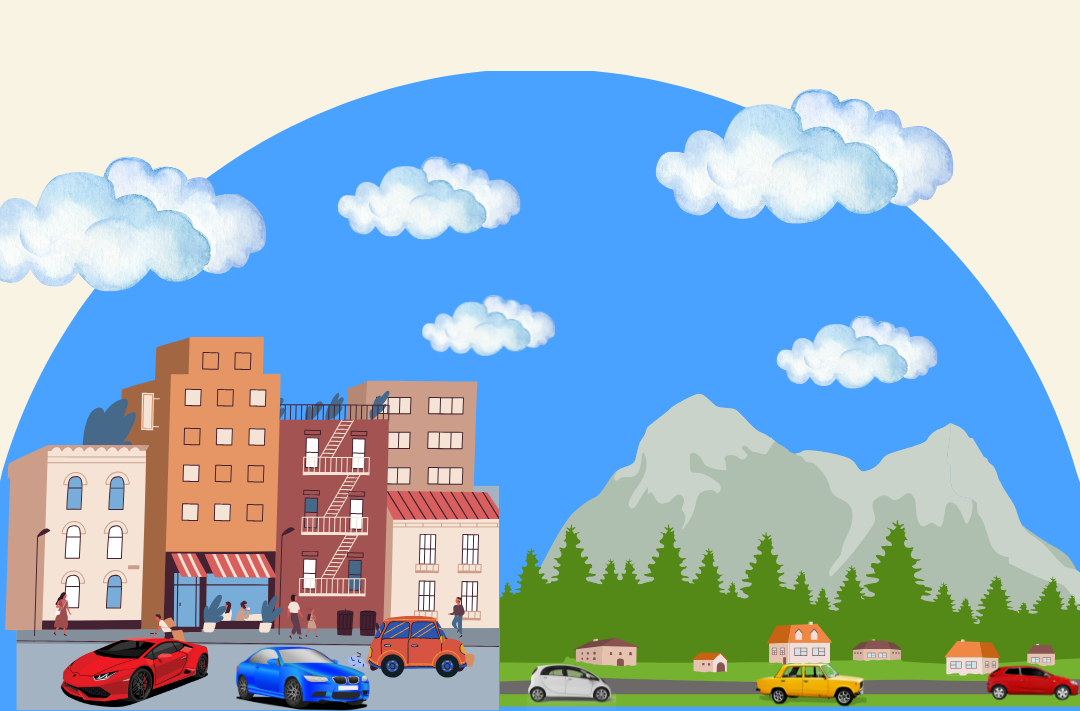
SHAH ALAM - Transportation plays a significant yet often overlooked role in family planning decisions across Malaysia, with stark contrasts between urban and rural areas.
In cities like Kuala Lumpur, traffic congestion, limited parking and high fuel prices have pushed many families to choose smaller vehicles or rely on public transport and e-hailing services.
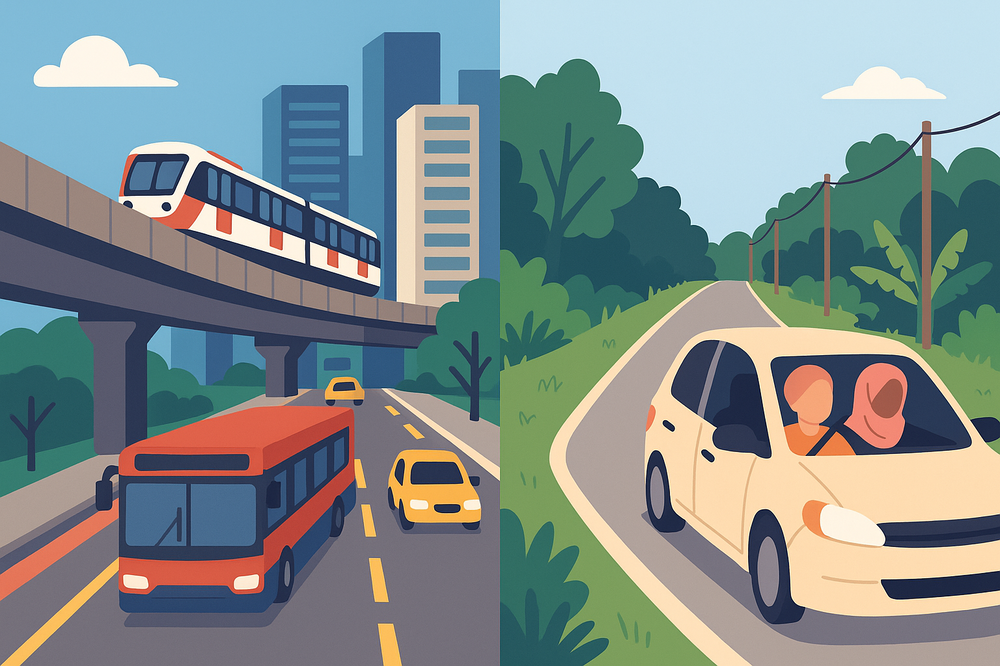
Despite these alternatives, car ownership remained a key necessity for many due to the challenges of managing young children and daily errands without a private vehicle.
According to Universiti Kebangsaan Malaysia lecturer and specialist in Obstetrics and Gynaecology, Dr Siti Hajar Abd Azman, this relationship between transportation and family planning was especially clear in urban areas like Kuala Lumpur.
“Here, the challenges of traffic congestion, limited parking and high fuel prices make car ownership both a necessity and a burden.
“Many families in Kuala Lumpur cope with these pressures by choosing smaller family sizes or by relying on the city’s public transportation and e-hailing services such as Grab.
“However, these alternatives also present their own set of challenges, particularly for families with young children or multiple dependents. Managing strollers, school bags and groceries while dealing with crowded public transport or expensive ride-sharing fees can be overwhelming.
“Even in urban areas with good public transport networks, some families still see car ownership as an essential part of managing daily logistics,” she told Sinar Daily.
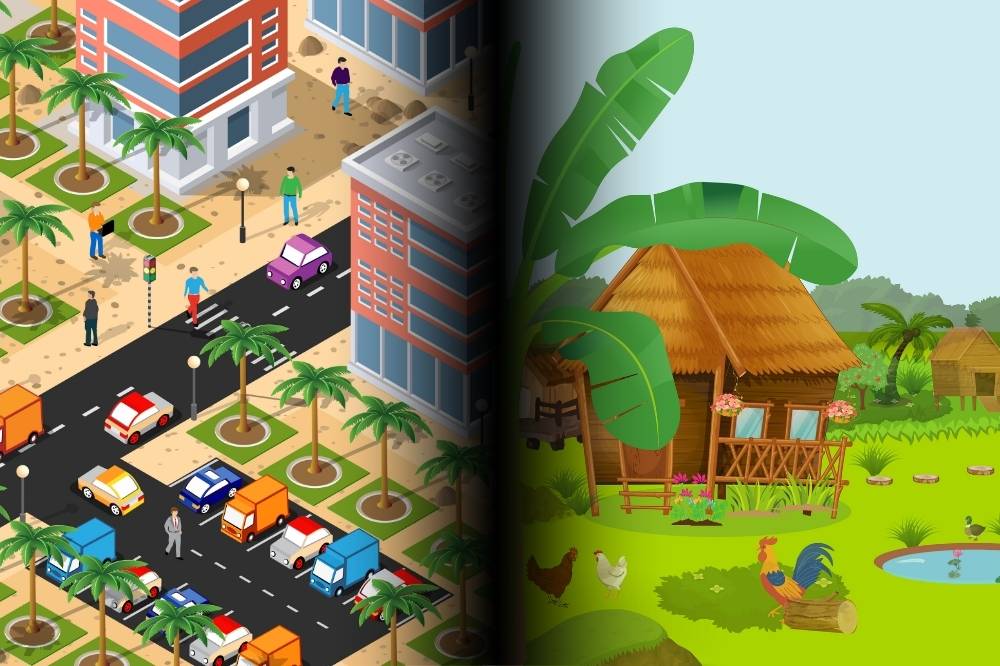
Outside of the city, transportation demands shifted dramatically.
In suburban and rural areas, the need for personal vehicles intensified.
Siti stressed that public transportation in these areas was often limited or unreliable, making car ownership almost a necessity for commuting to work, transporting children to school, or handling everyday errands.
“Larger vehicles, which many growing families require to accommodate children or long-distance travel, add to the financial strain.
“In these regions, while space may be less of an issue compared to the city, the cost of maintaining a vehicle, particularly a larger one, can still be a barrier to having more children,” she added.
Siti also emphasised the importance of understanding family planning, which is influenced not only by emotional or health-related factors, but also by practical realities.
“In counselling, it is important to acknowledge that family planning is not driven solely by emotional or health-related factors.
"Practical issues like transportation, housing, income and support systems, often play just as important a role.
“While it remains possible to raise children in Malaysia without owning a car, the feasibility depends heavily on where a family lives and their specific lifestyle needs. In urban areas with robust public transport systems, families may manage without a personal vehicle.
“Still, even there, the daily challenges of navigating crowded trains or waiting for buses with children can push families to prefer car ownership.
"For those in less accessible or rural regions, a car becomes more than a convenience, it becomes essential to sustaining everyday life,” she pointed out.
Download Sinar Daily application.Click Here!