What you don’t feel can still harm you: Malaysia's silent liver cancer crisis
With hepatitis B still endemic in Malaysia and over 21.3 per cent of the population classified as obese, both key causes of metabolic dysfunction-associated fatty liver disease (MAFLD) are making more Malaysians at risk of getting liver cancer.


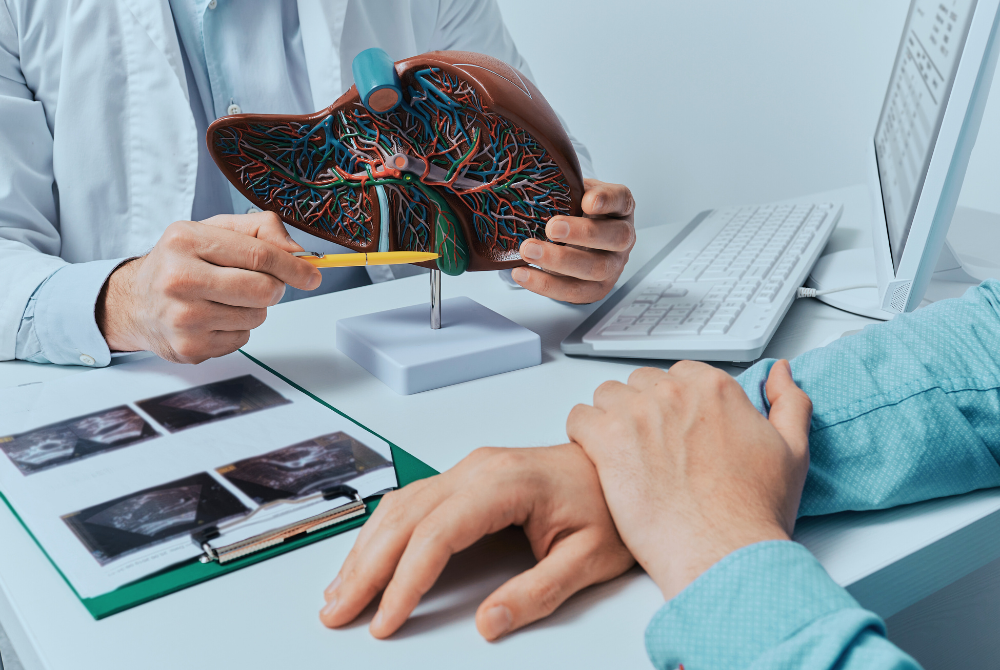
IN Malaysia, 74 per cent of liver cancer cases are diagnosed at stage four, stressing the urgent need for public awareness and earlier detection.
With hepatitis B still endemic in Malaysia and over 21.3 per cent of the population classified as obese, both key causes of metabolic dysfunction-associated fatty liver disease (MAFLD) are making more Malaysians at risk of getting liver cancer. Yet, many cases go undetected until the disease is in its late stages.
Sunway Medical Centre Velocity Hepatobiliary Pancreatic and Liver Surgeon Dr Johann Faizal Khan said one of the biggest barriers to improving liver cancer outcomes lies in the absence of effective public screening programmes.
"While high-risk individuals such as those with liver cirrhosis (long-term liver damage that causes scarring and poor liver function) and chronic viral hepatitis are screened, patients who appear relatively healthy may even realise they have either of these diseases," he said in a statement.
He added that this issue is not unique to Malaysia, but reflects a global trend, with healthcare institutions now dealing with the long-term effects of undiagnosed or untreated chronic liver conditions.
Understanding liver cancer
Dr Johann said hepatocellular carcinoma (HCC), the most common form of liver cancer, is among Malaysia’s leading causes of premature death.
According to the Health Ministry, it ranks as the country’s eighth most common cancer, yet has one of the lowest survival rates, just 12.8 per cent over five years.
Dr Johann said the lack of symptoms in early stages often leads people to assume they are safe, especially if they do not drink alcohol or engage in perceived “high-risk” behaviour.
In reality, liver cancer can progress quietly. Dr Johann stresses the need for regular health check-ups, regardless of perceived health.
"Early detection remains the most effective way to improve survival chances," he said.
Treatment options for liver cancer
Although the statistics are concerning, Dr Johann said treatment options for liver cancer have advanced significantly, even for patients with later-stage disease.
Minimally invasive procedures, such as ablation therapies, are increasingly used as alternatives to open surgery, reducing surgical trauma, blood loss and recovery time.
"Among these is the NanoKnife surgery, which uses electrical pulses to target and break down cancer cells without damaging the surrounding healthy tissue. This technique is particularly beneficial for patients with compromised liver function or tumours near vital structures," he explained.
He further said that these methods can also act as bridging treatments for those awaiting liver transplants or in recurrent cases where repeated surgery could harm healthy tissue.
However, he noted that not all tumours are eligible for such techniques.
"Larger tumours or those requiring complex reconstructions may still necessitate traditional open surgery, especially when complete resection is the goal,” he said.
In such cases, Dr Johann said a partial hepatectomy may be performed to remove the diseased portion of the liver, allowing it to regenerate.
For patients with severe liver damage, he said a liver transplant may be the only option.
While each method carries its own risks, Dr Johann notes that these approaches complement rather than compete with each other.
"Neither is considered better than the other. They each play a role and work together to achieve the best outcome for patients," he said.
Life after surgery and long-term care
Even after treatment, Dr Johann said patients with chronic conditions like hepatitis, fibrosis or cirrhosis remain at lifelong risk. Continued medical monitoring is crucial to detect any recurrence early.
"Long-term care also requires active patient involvement. Adopting healthy lifestyle habits such as eating a balanced diet, avoiding alcohol and smoking, and steering clear of unregulated traditional medicine is essential in supporting recovery and overall liver health," he advised.
He concluded that the progression of liver cancer treatment—from open surgery to minimally invasive methods and advanced ablation techniques, marks a major leap forward for patient care.
"As expertise deepens and access to cutting-edge treatments grows across Malaysia, patients now stand a better chance at long-term survival, especially when medical innovation is paired with continued surveillance and proactive lifestyle changes," he said.
Download Sinar Daily application.Click Here!