Filmmakers pledge to cut ties with Israeli film institutions over Gaza genocide
More than 1,200 filmmakers, actors and industry workers will no longer work with Israeli film institutions linked to genocide and apartheid against Palestinians.
NUR ADNIN MAHALIM
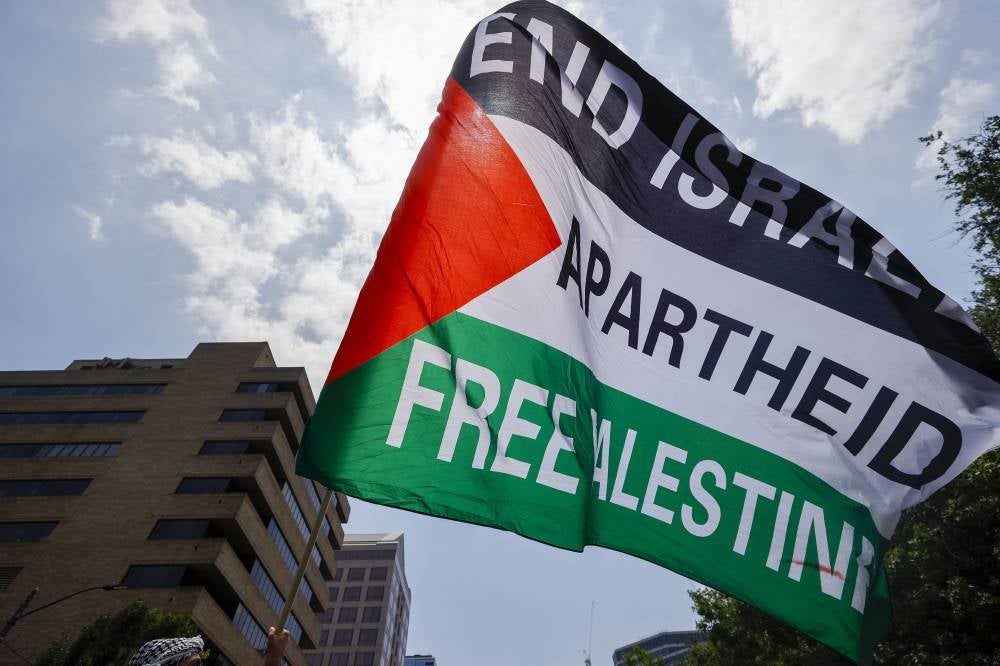
Cinema is not just about red carpets, box office numbers and popcorn flicks. It is about power.
The power to shape culture, perception and conversation and now, more than 1,200 filmmakers, actors and industry workers are using that power to make a statement; they will no longer work with Israeli film institutions linked to genocide and apartheid against Palestinians.
Film workers draw the line
In a joint pledge, the signatories declared:
“As filmmakers, actors, film industry workers and institutions, we recognise the power of cinema to shape perceptions.
“In this urgent moment of crisis, where many of our governments are enabling the carnage in Gaza, we must do everything we can to address complicity in that unrelenting horror.”
They pointed to the International Court of Justice’s ruling that there is “a plausible risk of genocide in Gaza” and that Israel’s occupation and apartheid are unlawful.
“Standing for equality, justice and freedom for all people is a profound moral duty that none of us can ignore.
“So too, we must speak out now against the harm done to the Palestinian people,” the statement continued.
The pledge draws direct inspiration from filmmakers who once stood against apartheid South Africa.
“Inspired by filmmakers united against apartheid who refused to screen their films in apartheid South Africa, we pledge not to screen films, appear at or otherwise work with Israeli film institutions, including festivals, cinemas, broadcasters and production companies, that are implicated in genocide and apartheid against Palestinian people.”
What ‘complicity’ means in cinema
The pledge defines complicity as including efforts to ‘whitewash or justify genocide and apartheid’ or partnering with governments carrying them out.
It’s not just words either, the star-studded list of names signing on makes this one of the biggest cultural boycotts in film history.
The names behind the movement
Over 1200 signatures include some of the most recognisable and award-winning figures in cinema and television today:
Among the signatories are director Adam McKay (Don’t Look Up), filmmaker Ava DuVernay (Selma, When They See Us), Oscar-winning actress Olivia Colman (The Favourite), actor and activist Riz Ahmed (Sound of Metal), and screen legend Tilda Swinton (Doctor Strange, We Need to Talk About Kevin).
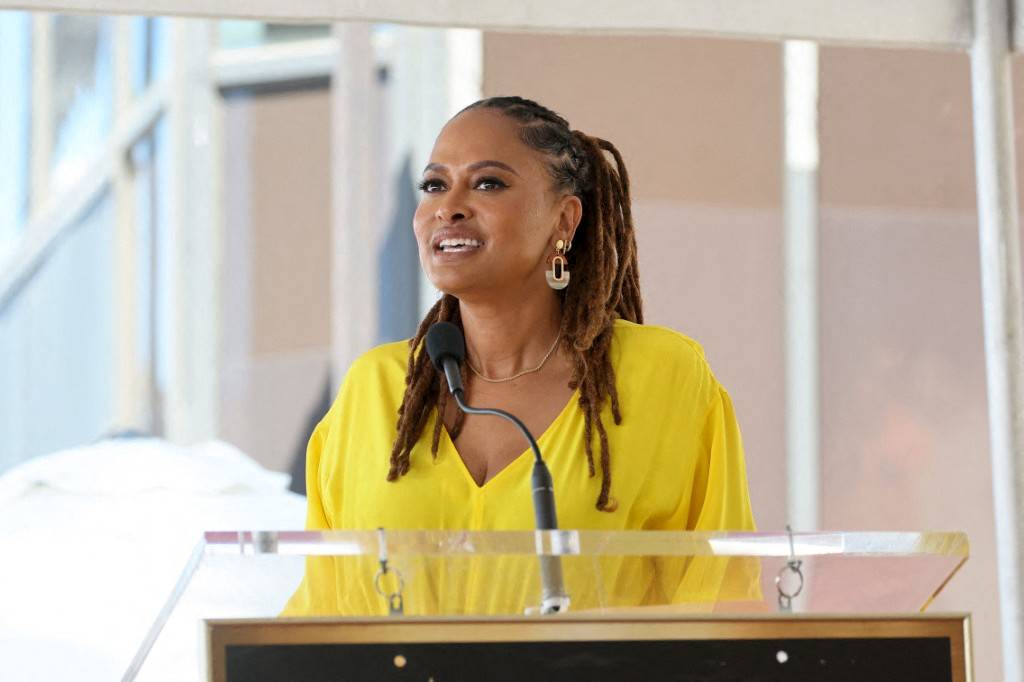
They are joined by Mark Ruffalo (Spotlight, Avengers), Gael García Bernal (The Motorcycle Diaries), Susan Sarandon (Thelma & Louise), Javier Bardem (No Country for Old Men), and acclaimed director Yorgos Lanthimos (Poor Things, The Lobster).
The pledge also includes names such as Boots Riley, Ilana Glazer, Josh O’Connor, Melissa Barrera, Asif Kapadia, Debra Winger, Cynthia Nixon, Ayo Edebiri, Joshua Oppenheimer, Lukas Dhont, Emma Seligman, Morgan Spector, Hannah Einbinder and many more.
Their collective message is clear: the global film industry cannot remain silent while Gaza burns.
What’s next?
While the pledge does not ban individual collaborations or friendships, it sends a sharp message to institutions.

Festivals, broadcasters and production companies connected to the Israeli state will now face increasing cultural isolation, echoing the way the arts once played a role in dismantling apartheid in South Africa.
Download Sinar Daily application.Click Here!


