The human body was built to move, doctors say stretching is a powerful first step
As posture-related aches and pains become increasingly common, health experts said something as simple as daily stretching and mobility exercises can go a long way in easing the strain of sedentary lifestyles, although they should complement rather than replace regular exercise.



SHAH ALAM – HOURS spent hunched over laptops and smartphones have quietly become part of everyday life, but doctors warn that the human body was never designed to stay still for so long.
As posture-related aches and pains become increasingly common, health experts said something as simple as daily stretching and mobility exercises can go a long way in easing the strain of sedentary lifestyles, although they should complement rather than replace regular exercise.
Avisena Specialist Hospital Shah Alam orthopaedic and trauma surgeon Dr Ahmad Zubair Anis Ahmad said posture-related issues such as neck stiffness, shoulder pain and chronic lower back discomfort were becoming increasingly common among younger patients.
“Ten to 15 years ago, neck pain and posture-related problems were more frequently seen among older adults or people whose jobs involved heavy physical labour.
“Today, we are seeing office workers, university students and even teenagers presenting with neck stiffness, shoulder pain, upper back discomfort and chronic lower back pain,” he told Sinar Daily.
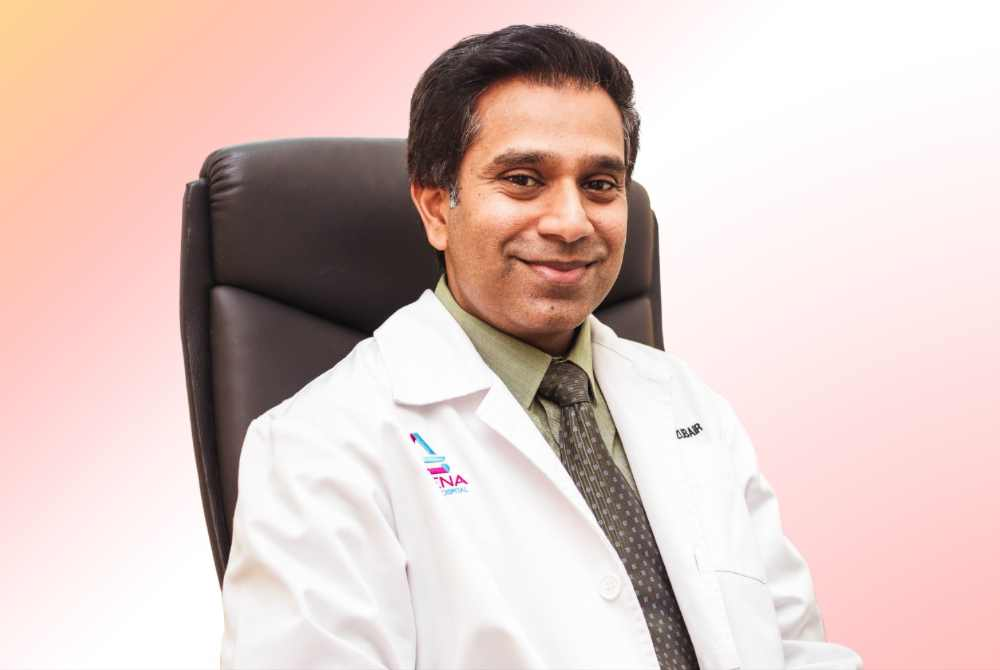
Dr Zubair attributed much of the problem to prolonged screen use, where many people unconsciously adopt a forward-head posture while looking at smartphones, laptops or tablets.
“I often remind patients that the human body was designed to move.
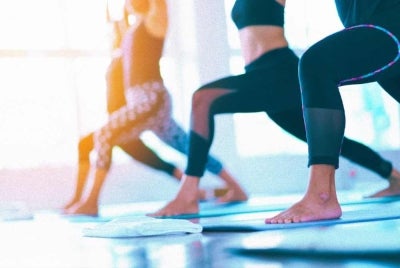
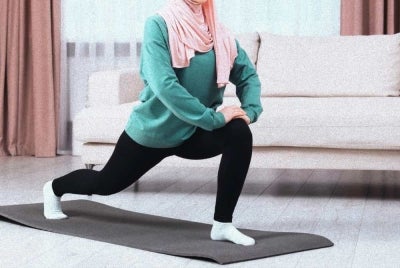
“Stretching and mobility exercises, including those commonly practised in yoga, can help restore flexibility, improve joint movement and relieve muscle tension, particularly around the neck, shoulders, chest, hips and lower back.
“What I particularly like about yoga-inspired movements is that they encourage people to become more aware of their posture and body positioning.
“Of course, stretching is not a substitute for exercise altogether, but it is an excellent starting point and can be very beneficial when combined with regular physical activity and proper ergonomics,” he said.
Dr Zubair added that many patients only realise how stiff they have become after introducing regular stretching into their daily routines.
He stressed that consistency matters more than intensity, noting that spending just 10 to 15 minutes a day on stretching could make a meaningful difference in maintaining mobility and reducing muscle tightness.

Columbia Asia Hospital Petaling Jaya consultant sports physician Dr Mohd Aizuddin Sahak echoed the view, saying stretching-based routines can effectively address many of the physical consequences associated with prolonged sitting and excessive screen time.
“Yoga-based stretching and mobility exercises can significantly reduce stiffness, improve posture, restore thoracic and hip mobility, and alleviate symptoms associated with sedentary lifestyles and tech neck.
“However, for long-term correction of postural dysfunction, they should be combined with targeted strengthening of the deep neck flexors, scapular stabilisers and postural muscles, along with improved workstation ergonomics and regular movement throughout the day,” he said when contacted.
Dr Aizuddin said many patients wrongly assume they need an intensive fitness programme to improve their condition, when simple daily movement could already provide substantial benefits.
He also highlighted the wider advantages of stretching beyond flexibility, including improved circulation, joint mobility, reduced muscle stiffness and better stress management.
“Movement is medicine.
“You do not need to be an athlete or spend hours in the gym. Making time each day to stretch, move and be mindful of your posture can have a profound impact on your long-term musculoskeletal health and overall quality of life,” Dr Zubair said.
Download Sinar Daily application.Click Here!