Melaka polls: A crucial test of survival for PH, Bersatu and Bersama
The spotlight is on the Ayer Keroh and Bukit Katil constituencies, where PH candidates face multi-cornered contests, including the possibility of a Malay support wave favouring BN and PN


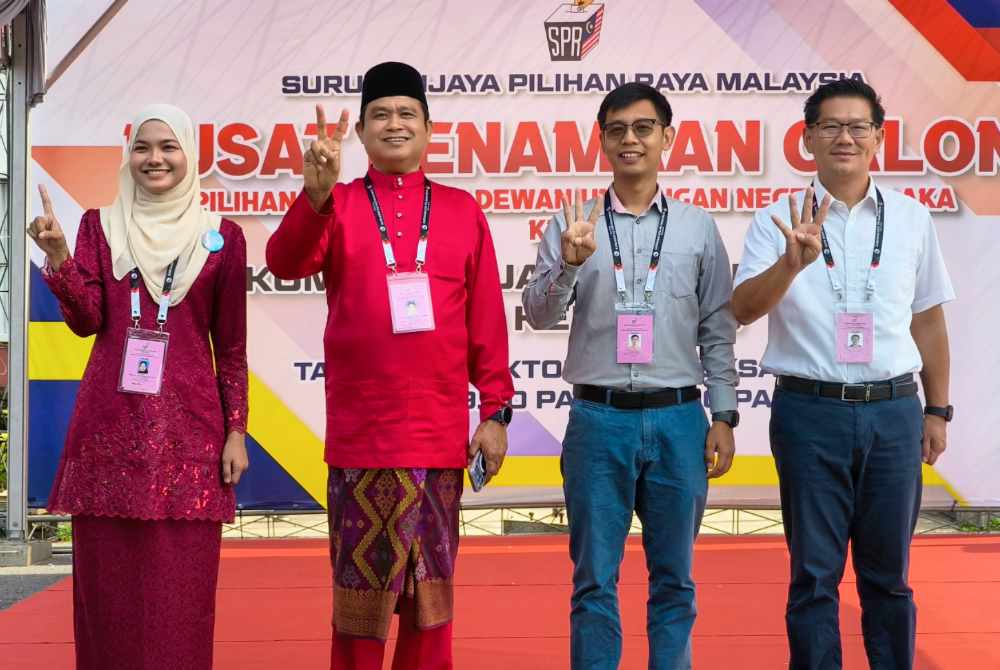
SHAH ALAM - The contest for the 28 State Legislative Assembly (DUN) seats in the Nov 14 Melaka state polls is not merely a battle to determine whether the dominance of the Blue Wave, now comprising the Barisan Nasional (BN) and Perikatan Nasional (PN) cooperation, can continue.
Instead, it will be a crucial test of Pakatan Harapan's (PH) strength, particularly in defending several hot seats where voter support is undergoing changes.
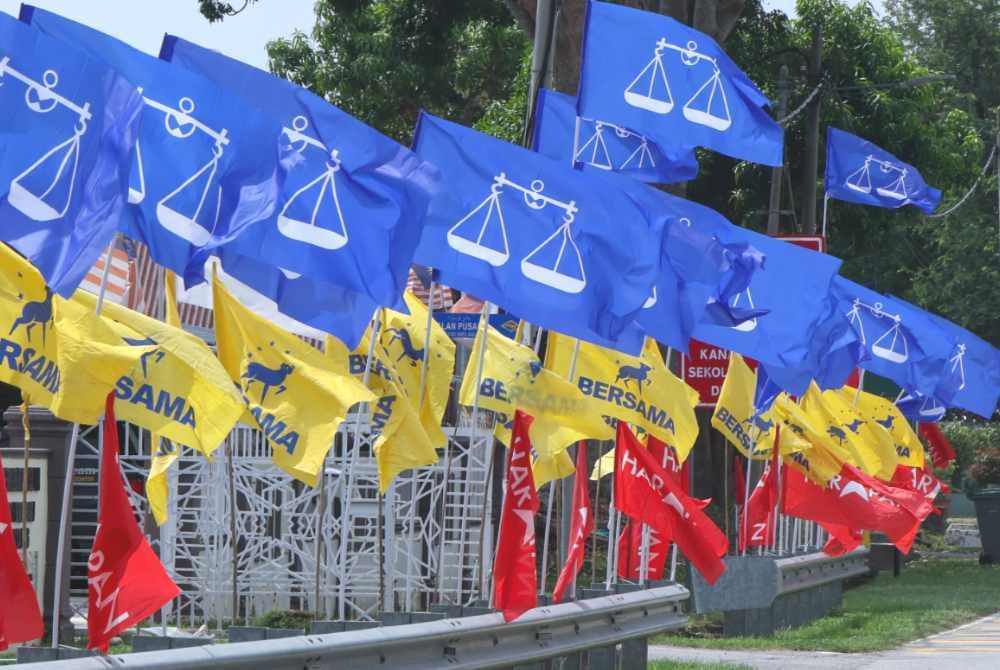
The spotlight is on the Ayer Keroh and Bukit Katil constituencies, where PH candidates face multi-cornered contests, including the possibility of a Malay support wave favouring BN and PN.
Changes in voter demographics, vote splitting and the emergence of new parties could also alter the political landscape, potentially paving the way for surprises in several key constituencies.
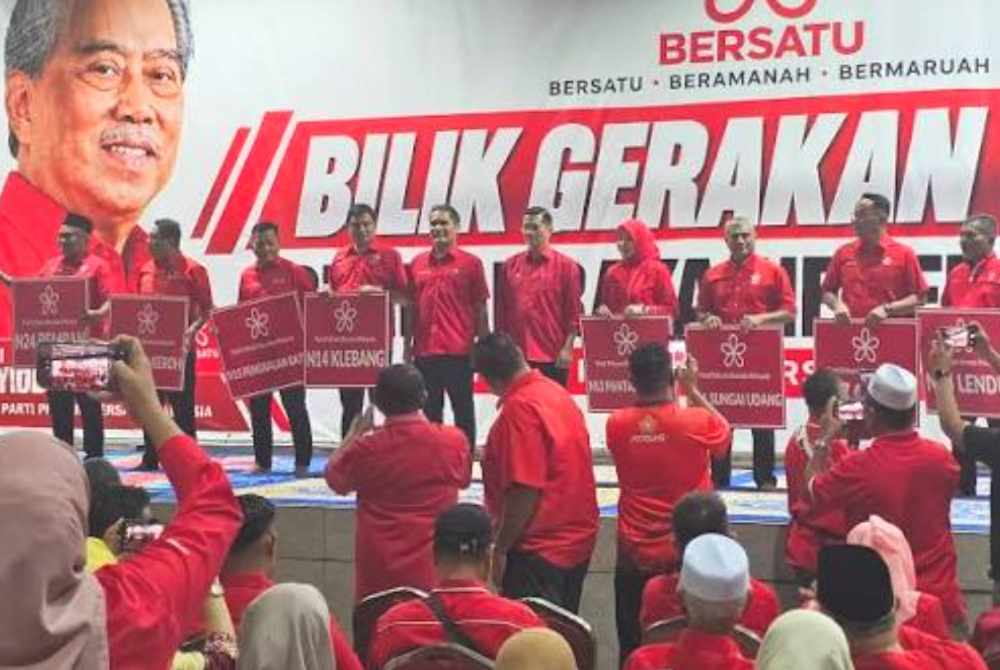
At the same time, the presence of Bersama, led by Datuk Seri Rafizi Ramli and Bersatu following the split within PN raises bigger questions about their ability to demonstrate their actual strength at the ballot box.
Can Bersama break through the dominance of established parties while Bersatu retain enough influence to challenge BN and PN, or will both parties risk losing their deposits?

Beyond the battle for seats, the Melaka polls will serve as a measure of voter sentiment towards the current political configuration, as well as an early indication of the strength of political parties ahead of a possible 16th General Election (GE16).
Based on projections by two local political analysts, approximately 17 Melaka state constituencies have been identified as hot seats to watch in this election, based on factors including demographics, vote transferability and multi-cornered contests that could alter patterns of political support.

Ilham Centre executive director Hisommudin Bakar identified 10 constituencies likely to attract the most attention this time around: Bukit Katil, Ayer Keroh, Paya Rumput, Gadek, Pantai Kundor, Merlimau, Sungai Udang, Kuala Linggi, Klebang and Pengkalan Batu.
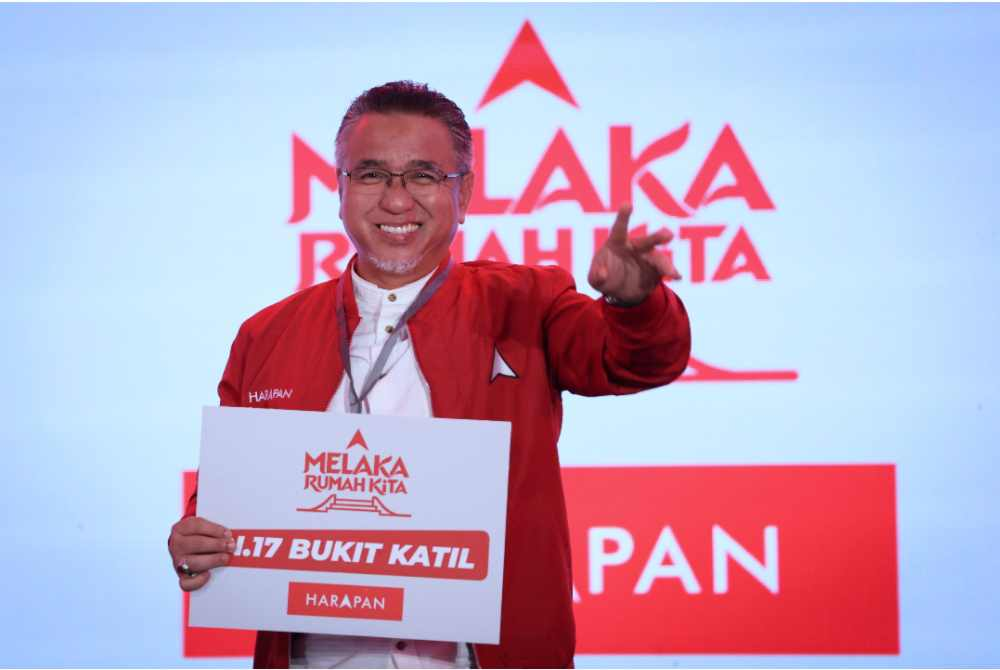
He said Bukit Katil and Ayer Keroh were among the constituencies worth watching, particularly as PH candidates face challenges in securing broad-based support amid an increasingly complex voter composition.
He noted that the influence of prominent figures such as former Melaka Chief Minister Adly Zahari in Bukit Katil did not necessarily guarantee victory when faced with the combined votes of rival parties.
Hisommudin likened the situation to DAP secretary-general Anthony Loke's defeat in the Chennah state constituency in the Negeri Sembilan polls last August, which demonstrated that an individual's influence could not necessarily overcome demographic factors and the consolidation of voter support.
"This is no longer a contest between prominent figures. Instead, it is a clash between an individual's influence and voter demographics, as well as the wave of Malay voters mobilised through BN-Pas cooperation.
"This situation is almost similar to the defeat of DAP secretary-general Anthony Loke in the Chennah state constituency in Negeri Sembilan," he told Sinar.
In Ayer Keroh, Hisommudin said the perception that the constituency was a DAP stronghold needed to be reassessed, given that Malay voters made up more than 40 per cent of its electorate, while Chinese voter turnout could potentially be lower than that of Malay voters.
However, he raised questions about the extent to which BN supporters' votes could be transferred to candidates from parties other than Pas within PN.
He therefore identified Paya Rumput as another constituency to watch, given the potential for vote splitting and uncertainty over whether Umno supporters' votes could be transferred to the PN candidate.
"In the case of PN candidate Rafie Ahmad from Pas, I believe the party may not receive the same spillover or additional support that Pas gained from Umno during the Johor and Negeri Sembilan state elections.
"So, one issue that needs to be examined is whether Pas has the potential to secure a higher number of transferable votes from BN compared with other parties in PN.
"If the transfer of BN supporters' votes is not as high as expected, I project that PH candidate Datuk Azman Abidin will have an opportunity to wrest the seat from his opponents," Hisommudin said.
Commenting on the new party Bersama, Hisommudin said its momentum appeared to be levelling off despite having started its groundwork earlier.
He said the focus had increasingly shifted towards prominent figures such as Datuk Seri Rafizi Ramli, Iswardy Morni and Faizal Rahman rather than the candidates contesting, raising questions about the effectiveness of Bersama's grassroots strategy.
Hisommudin also expected Bersatu to face challenges following the split within PN and uncertainty over the mechanism for transferring votes under its indirect cooperation with PH.
"If there are no clear instructions on the transfer of support from PH voters to Bersatu, this could have a significant impact on Bersatu's chances of winning," he said.
Young candidates
In another development, Hisommudin said the emergence of Generation Z (Gen Z) candidates such as Mukhlis Mubin in Kuala Linggi and Farhana Hayani Mohd Nasir in Klebang had brought a new dimension to the political contest, although social media popularity did not necessarily translate into actual votes.
He said, for instance, Farhana Hayani was facing a tough challenge against two heavyweight political figures in the state - incumbent and former Deputy Minister of International Trade and Industry (MITI) Datuk Lim Ban Hong, and former Deputy Dewan Negara President Datuk Seri Mohamad Ali Mohamad.
"The question is to what extent the attention they receive can actually translate into voter support in BN strongholds such as Kuala Linggi.
"We do not know whether those commenting and reacting are genuinely voters in the constituency or merely observers from elsewhere," he said.
Meanwhile, UiTM Melaka Faculty of Communication and Media Studies senior lecturer Dr Shafezah Abdul Wahab identified 14 state constituencies (DUN) as hotspots worth watching.
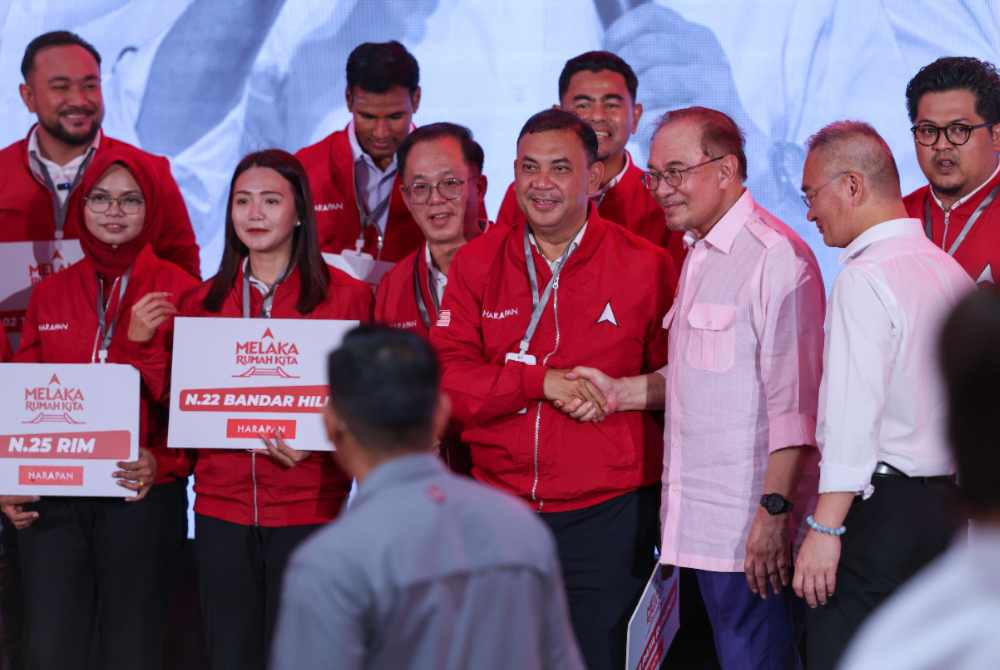
She said the 14 constituencies were Tanjung Bidara, Merlimau, Bukit Katil, Pengkalan Batu, Sungai Udang, Bemban, Gadek, Bandar Hilir, Kota Laksamana, Duyong, Klebang, Durian Tunggal, Serkam and Ayer Molek.
"Both Tanjung Bidara and Merlimau, held by Chief Minister Datuk Seri Ab Rauf Yusoh and UMNO Youth chief Datuk Dr Muhamad Akmal Saleh respectively, will not only measure the candidates' personal influence but also serve as indicators of UMNO's leadership strength and grassroots machinery.
"In Sungai Udang, Bemban and Gadek, the three constituencies reflect changes in candidate selection strategies and seat negotiations between parties.
"The participation of Bersama, coupled with changes in the positioning of PN and Bersatu candidates, has made the contest more complex. The key factor is how well the parties can coordinate their machinery and prevent vote splitting among voters with similar leanings," she said.
On Bandar Hilir and Kota Laksamana, Shafezah said both constituencies were attracting attention due to the MCA-DAP contest.
"This is a test of MCA's ability to challenge DAP's influence in urban areas, particularly among Chinese voters.
"The results here will also provide an indication of voter acceptance of BN following changes in the state's political landscape, after DAP announced its withdrawal from the state government," she added.
Meanwhile, multi-cornered contests in Duyong, Klebang, Durian Tunggal, Serkam and Ayer Molek have made vote distribution an important factor.
"Besides the strength of party machinery, the influence of local candidates and their ability to attract fence-sitters could determine the outcome, particularly in constituencies with a history of narrow winning majorities.
"This election will test whether Bersama and Bersatu can build support based on their own party identities or whether they still depend on the popularity of the individuals representing them," Shafezah said.
INFO
17 HOT SEATS TO WATCH IN THE 2026 MELAKA POLLS
1) N02 Tanjung Bidara
Voters: 15,003
Candidates: Mohd Yunazri Mustamiri (PH-PKR); Datuk Seri Dr Ab Rauf Yusoh (BN-UMNO)
2021 state election winner: Datuk Seri Dr Ab Rauf Yusoh (BN-UMNO)
2021 majority: 364 votes
Ethnic composition: 93% Malay, 4% Chinese, 3% Indian and others
2) N26 Serkam
Voters: 21,352
Candidates: Datuk Azman Abdullah (BN-UMNO); Muhammad Faiq Azman (PH-PKR); Muhammad Saffie Md Yasan (Bersama)
2021 state election winner: Datuk Zaidi Attan (BN-UMNO)
2021 majority: 79 votes
Ethnic composition: 91% Malay, 5% Chinese, 4% Indian and others
3) N11 Sungai Udang
Voters: 29,692
Candidates: Major (Rtd) Abdullah Mahadi (Bersatu); Mohd Ridzuan Abdul Rahman (Bersama); Datuk Rais Yasin (BN-UMNO)
2021 state election winner: Dr Mohd Aleef Yusof (PN-Bersatu, now Wawasan)
2021 majority: 530 votes
Ethnic composition: 77% Malay, 9% Chinese, 14% Indian and others
4) N27 Merlimau
Voters: 19,759
Candidates: Datuk Dr Muhamad Akmal Saleh (BN-UMNO); Rahayu Hamzah (PH-Amanah)
2021 state election winner: Datuk Dr Muhamad Akmal Saleh (BN-UMNO)
Ethnic composition: 71% Malay, 17% Chinese, 12% Indian and others
5) N09 Durian Tunggal
Voters: 21,181
Candidates: Datuk Dr Mustafa Musa (BN-UMNO); Datuk Ashraf Mukhlis Minghat (PH-Amanah)
2021 state election winner: Zahari Abd Kalil (BN-UMNO)
2021 majority: 559 votes
Ethnic composition: 67% Malay, 23% Chinese, 10% Indian and others
6) N24 Bemban
Voters: 26,381
Candidates: Muhammad Rabaie Ab Hamid (Bersatu); Dr Muhammad Solehin Saleh (Bersama); Dr Mohd Yadzil Yaakub (PN-Wawasan); Abd Halim Said (Independent)
2021 state election winner: Dr Mohd Yadzil Yaakub (PN-Bersatu)
2021 majority: 328 votes
Ethnic composition: 62% Malay, 20% Chinese, 18% Indian and others
7) N22 Bandar Hilir
Voters: 23,042
Candidates: Jasmine Lok Huey Yee (BN-MCA); Leng Chau Yen (PH-DAP); Dr Mohd Nor Rashidi Ab Jalil (Bersama)
2021 state election winner: Leng Chau Yen (PH-DAP)
2021 majority: 7,778 votes
Ethnic composition: 13% Malay, 73% Chinese, 14% Indian and others
8) N21 Duyong
Voters: 26,528
Candidates: Poo Long Suan (PH-DAP); Datuk Mohd Noor Helmy Abdul Halem (BN-UMNO)
2021 state election winner: Datuk Mohd Noor Helmy Abdul Halem (BN-UMNO)
2021 majority: 200 votes
Ethnic composition: 63% Malay, 31% Chinese, 6% Indian and others
9) N20 Kota Laksamana
Voters: 34,066
Candidates: Low Chee Leong (PH-DAP); Melvin Chua Kew Wei (BN-MCA); Ethan Lim Zhi Hao (Bersama)
2021 state election winner: Low Chee Leong (PH-DAP)
2021 majority: 11,494 votes
Ethnic composition: 19% Malay, 76% Chinese, 15% Indian and others
10) N18 Ayer Molek
Voters: 24,614
Candidates: Datuk Mohd Ridhwan Mohd Ali (BN-UMNO); Muhammad Hakimin Mokhtar (PH-PKR)
2021 state election winner: Datuk Rahmad Mariman (BN-UMNO)
2021 majority: 2,802 votes
Ethnic composition: 88% Malay, 7% Chinese, 5% Indian and others
11) N17 Bukit Katil
Voters: 35,359
Candidates: Datuk Seri Adly Zahari (PH-Amanah); Muhammad Ridzuan Mohd Sarif (PN-Pas); Abu Bakar Sabudin (Independent); Dr Aliza Che Amran (Bersama)
2021 state election winner: Datuk Seri Adly Zahari (PH-Amanah)
2021 majority: 1,057 votes
Ethnic composition: 65% Malay, 29% Chinese, 6% Indian and others
12) N16 Ayer Keroh
Voters: 38,252
Candidates: Muhammad Muhaimin Lau Abdullah (Bersama); Kerk Chee Yee (PH-DAP); Datuk Seri Michael Gan Peng Lam (PN-Gerakan); Mohd Hamnaim Mohamad (Bersatu)
2021 state election winner: Kerk Chee Yee (PH-DAP)
2021 majority: 5,624 votes
Ethnic composition: 44% Malay, 47% Chinese, 9% Indian and others
13) N15 Pengkalan Batu
Voters: 25,948
Candidates: Siti Aisyah Mahmood (BN-UMNO); Goh Han Koon (Bersama); Jason Tze-Xi Nathan (PH-DAP); Datuk Norhizam Hassan Baktee (Bersatu)
2021 state election winner: Datuk Kalsom Noordin (BN-UMNO)
2021 majority: 131 votes
Ethnic composition: 65% Malay, 28% Chinese, 7% Indian and others
14) N14 Klebang
Voters: 27,339
Candidates: Farzana Hayani Mohd Nasir (PH-PKR); Datuk Seri Mohamad Ali Mohamad (Bersatu); Young Jie Yu (Bersama); Datuk Lim Ban Hong (BN-MCA)
2021 state election winner: Datuk Lim Ban Hong (BN-MCA)
2021 majority: 876 votes
Ethnic composition: 69% Malay, 28% Chinese, 3% Indian and others
15) N13 Paya Rumput
Voters: 46,521
Candidates: Rafie Ahmad (PN-Pas); Abdul Rashid Abu Bakar (Bersama); Datuk Azman Abidin (PH-PKR)
2021 state election winner: Datuk Rais Yasin (BN-UMNO)
2021 majority: 629 votes
Ethnic composition: 62% Malay, 30% Chinese, 8% Indian and others
16) N07 Gadek
Voters: 16,617
Candidates: K Jegasilan (PH-DAP); B Laveen (Bersama); Laila Norinda Maon (Putra); S Nadarajah (BN-MIC)
2021 state election winner: P Shanmugam (BN-MIC)
2021 majority: 559 votes
Ethnic composition: 62% Malay, 20% Chinese, 18% Indian and others
17) N01 Kuala Linggi
Voters: 15,483
Candidates: Muhammad Mukhlisul Mubin Julaisapiyah (PH-Amanah); Dr Nur Farhana Hamzah (Bersama); Datuk Rosli Abdullah (BN-UMNO)
2021 state election winner: Datuk Rosli Abdullah (BN)
2021 majority: 1,836 votes
Ethnic composition: 77% Malay, 21% Chinese, 2% Indian and others
Download Sinar Daily application.Click Here!