Malaysia's road transport law overhaul: 10 major changes road users should know
Loke said the increased financial penalties were meant to improve compliance with road safety laws rather than burden road users.


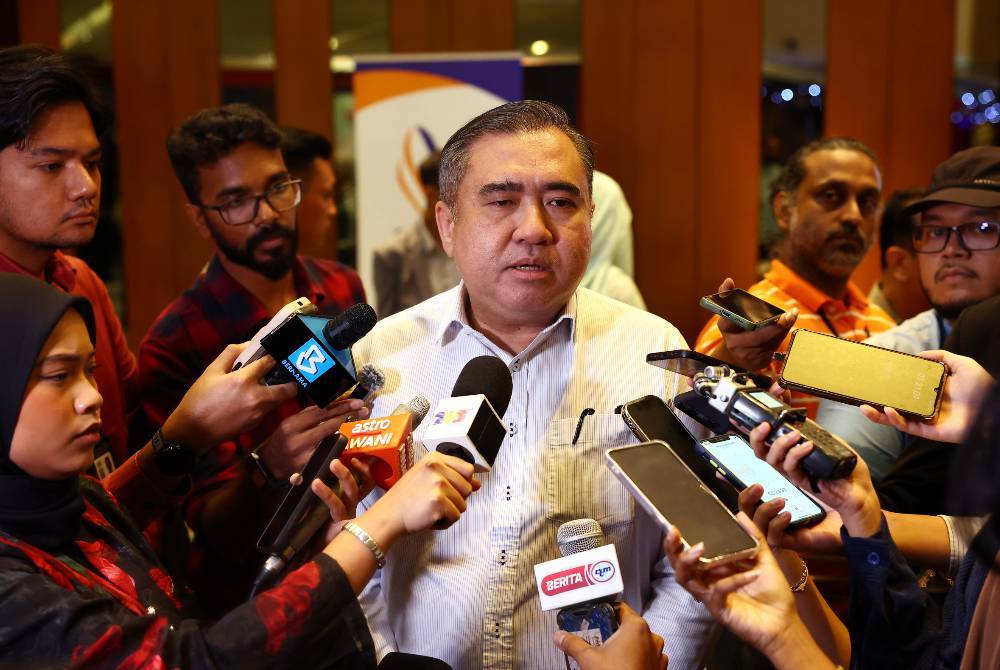
SHAH ALAM - Malaysia is set to introduce one of its most significant traffic law reforms in years after the Dewan Rakyat passed the Road Transport (Amendment) Bill 2026 on Wednesday.
The amendments are aimed at strengthening enforcement, improving road safety and closing long-standing legal loopholes, following concerns over the country's consistently high number of road fatalities.
From tougher penalties for illegal racing and speeding to higher compounds, digital police reports and stricter action against vehicle fraud, here's a breakdown of the biggest changes motorists should know.
1. Illegal street racing will become a standalone criminal offence
One of the biggest changes is the introduction of a new offence specifically targeting illegal street racing and speed trials.
Previously, offenders were generally prosecuted under dangerous driving provisions. The new Section 42A creates dedicated offences for racing and speed testing on public roads, allowing authorities to act before accidents, injuries or deaths occur.
First-time offenders could face fines ranging from RM2,000 to RM10,000, imprisonment of up to two years or both, if convicted. Those convicted a second time or more could be fined between RM5,000 and RM20,000, jailed for up to five years or both.
The offence is also categorised as seizable, which means that enforcement officers can arrest suspects without obtaining a warrant.
The law also extends to micromobility vehicles such as e-scooters, with offenders facing fines of up to RM1,000, upon conviction.
2. Minimum fines for several common traffic offences will increase
The amendments raise the minimum fine from RM300 to RM500 for a range of commonly committed offences. Among them are:
- Driving without a valid driving licence
- Permitting an unlicensed person to drive
- Exceeding the speed limit
- Failing to obey traffic signs or police instructions
- Driving without the required vehicle licence
- Breaching authorised left-turn rules
- Operating vehicles requiring inspection without a valid inspection certificate
Parking-related offences and certain insurance notification offences will also see their maximum fines increase from RM300 to RM500.
Transport Minister Anthony Loke stressed that the higher penalties were not intended to generate government revenue.
He said the increased financial penalties were meant to improve compliance with road safety laws rather than burden road users.
"The need for these amendments is clear. In 2025, Malaysia recorded 6,537 deaths from road accidents. Of that number, 4,340 fatalities or 66.4 per cent, involved motorcyclists and their passengers.
"These statistics show that road safety remains a major national challenge that requires more effective legislation, enforcement and education," he said.
3. Driving while suspended could result in much harsher punishment
Drivers who continue driving despite being suspended or disqualified by the courts could face significantly tougher consequences.
The proposed maximum jail sentence rises from one year to three years, while the maximum fine increases from RM5,000 to RM10,000. The amendments also introduce a minimum fine of RM3,000.
The provision also applies to those who attempt to apply for or obtain a driving licence despite a court order prohibiting them from doing so.
4. Traffic compounds will rise to RM500 from 2029
The maximum compound for compoundable traffic offences will increase from RM300 to RM500. However, the government has set Jan 1, 2029 as the enforcement date to allow sufficient transition time for motorists.
Authorities have clarified that RM500 will only be the maximum allowable compound. The actual amount offered will continue to depend on factors such as the seriousness and nature of the offences.
5. Owners can no longer simply claim they do not know who was driving
The amendments also tighten accountability for offences detected by automated cameras. Previously, vehicle owners could avoid liability by claiming they did not know who had been driving.
Under the proposed changes, individuals who allowed someone else to use their vehicle must make reasonable efforts to identify that driver. Simply claiming ignorance will no longer be enough to avoid responsibility.
The provision covers offences such as speeding, running red lights, driving in bus lanes, operating uninsured vehicles, overloaded vehicles and several other camera-detected violations.
6. Unpaid traffic summonses could stop vehicles from crossing Malaysia's borders
Another new enforcement measure targets outstanding traffic offences.
Both Malaysian and foreign-registered vehicles may be prevented from entering or leaving Malaysia if they have unpaid traffic summonses or unresolved offences under transport laws.
The move is intended to improve compliance and reduce outstanding enforcement cases.
7. Minor road accidents may eventually be reported online
The amendments also pave the way for greater digitalisation. Current rules require motorists involved in accidents involving two or more vehicles to lodge police reports physically within 24 hours.
The proposed changes allow future implementation of online accident reporting through designated digital platforms or mobile applications, particularly for minor accidents that do not involve serious injuries.
"For example, in the future, reporting of minor accidents may be able to be done through specified online platforms or apps without the need to physically go to the police station.
"This will make it easier for the public, save time and reduce congestion at police stations. However, physical reports at police stations would still remain an option," Loke explained.
8. Vehicle fraud and stolen car syndicates face much stiffer penalties
The amendments significantly increase punishments for offences involving forged documents, false declarations and vehicle identity manipulation.
Individuals providing false or misleading information could face fines between RM10,000 and RM50,000, imprisonment of up to 10 years or both.
Those found forging or altering documents, licences or vehicle number plates could face fines ranging from RM10,000 to RM200,000 and prison sentences of between one and 10 years.
The tougher penalties are intended to combat stolen vehicle syndicates, cloned vehicles and other automotive fraud.
9. Authorities will have stronger powers against "tonto" informants
The Bill also introduces a new offence targeting so-called "tonto" informants who help transport offenders evade enforcement operations.
Individuals who obstruct, threaten or assault enforcement officers, trail enforcement vehicles or leak details of enforcement activities could face fines ranging from RM10,000 to RM50,000, imprisonment of between one and five years or both.
Suspects may also be arrested without a warrant, while vehicles used in the offences can be seized.
10. More reforms are still being planned
The latest amendments represent only the first phase of wider road transport reforms. Loke said additional proposals are still being refined before being submitted to the Cabinet.
These include amendments involving driving under the influence (DUI) of alcohol or drugs laws, compensation for accident victims and their families, improvements to the demerit points system and further revisions to penalties for selected traffic offences.
The Bill tabled by Loke was passed by the Dewan Rakyat through a voice vote after its second and third readings on June 24.
Besides strengthening enforcement, the amendments also expand digital Road Transport Department services through electronic notices and documents, while introducing provisions covering electric vehicles, modified vehicles, special-purpose vehicles, foreign-registered vehicles and cross-border transport.
Download Sinar Daily application.Click Here!