Johor polls candidate line-ups signal push for renewal, but BN remains benchmark to beat, say analysts
The analysis comes as both parties remain the only political coalitions to have officially unveiled their candidates ahead of Nomination Day on June 27, with polling scheduled for July 11.


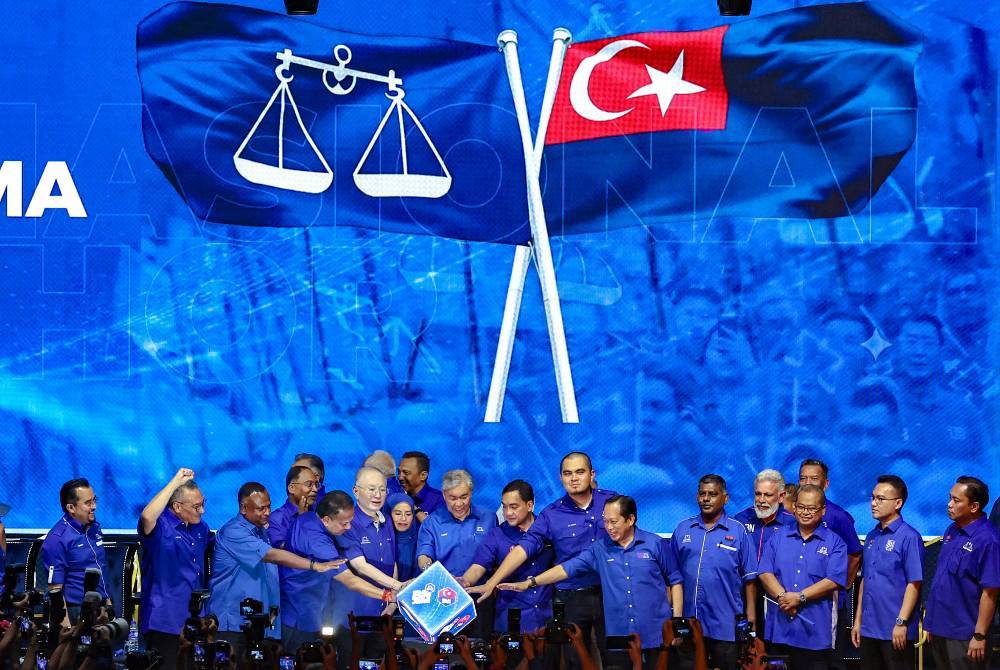
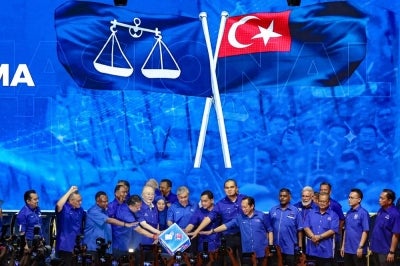
SHAH ALAM - Pakatan Harapan (PH) and the Malaysian United Democratic Alliance (Muda) are strategically blending political renewal with veteran experience in their initial candidate lineups for the upcoming Johor state election, according to political observers.
The analysis comes as both parties remain the only political coalitions to have officially unveiled their candidates ahead of Nomination Day on June 27, with polling scheduled for July 11.
Analysts note that the full electoral dynamics will become clearer once Barisan Nasional (BN) and Perikatan Nasional (PN) release their complete slates.
Political analyst Dr Oh Ei Sun described PH’s candidate selections as a calibrated response to shifting public sentiments.
He observed that the coalition appears to be introducing fresh faces to dilute strong institutional associations in certain areas while relying on select heavyweights to maintain stability.
“The selections reflect a combination of factors such as youth representation, technocratic backgrounds, women candidates, grassroots leaders, and experienced political figures,” Oh said.
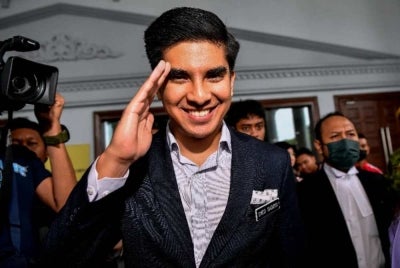
He noted that seasoned PH leaders like Teo Nie Ching and Liew Chin Tong are not featured on the list, leaving former federal minister Maszlee Malik as one of the few high-profile heavyweights anchor-pointing the campaign.
Regarding Muda, Oh added that the youth-led party is largely optimizing its available internal membership pool.
Oh expects that upcoming announcements from BN, Bersatu, and PAS will feature highly distinct urban-rural strategies.
While rural seats are anticipated to see established party stalwarts and influential local figures, urban constituencies will likely feature a higher concentration of new faces to match voter expectations.
Despite the strategic selections by opposition parties, Oh maintains that BN enters the race with a structural advantage in Johor.
“The more relevant questions are whether BN and PH can maintain the margins they achieved previously, and whether PN will be able to make further gains and expand its influence in the state,” he said.
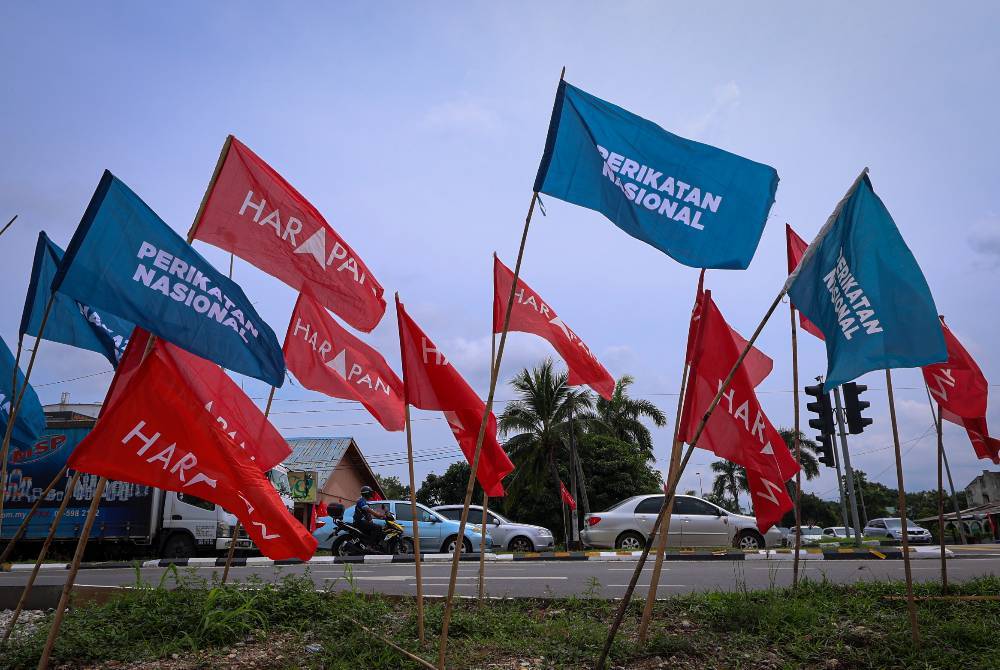
International Islamic University Malaysia (IIUM) associate professor Dr Syaza Shukri agreed that the announced lineups show a clear effort to balance continuity with leadership transition.
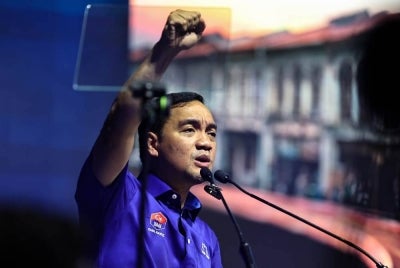
For PH, featuring prominent figures such as Suhaizan Kaiat, Datuk Seri Dr Dzulkefly Ahmad, and Maszlee Malik serves to showcase governance credentials to undecided voters, a move she notes is critical for PKR in mixed-demographic seats.
Syaza suggested that BN could complement the leadership of Johor Menteri Besar Datuk Onn Hafiz Ghazi by pairing traditional incumbents with capable younger candidates, noting that modern voters are increasingly drawn to demonstrable competence over political longevity.
She also outlined distinct challenges for PN component parties, stating that PAS must prioritize candidates with deep grassroots machinery given its historical position in the state, while Bersatu needs to actively cultivate its next generation of leaders rather than relying solely on established defectors or veterans.
“At this stage, it is still too early to determine which coalition holds the definitive advantage because the candidate lists from BN and PN have yet to be announced,” Syaza concluded.
"However, PH appears to have adopted a strong initial strategy in both its candidate selection and the distribution of seats."
Download Sinar Daily application.Click Here!